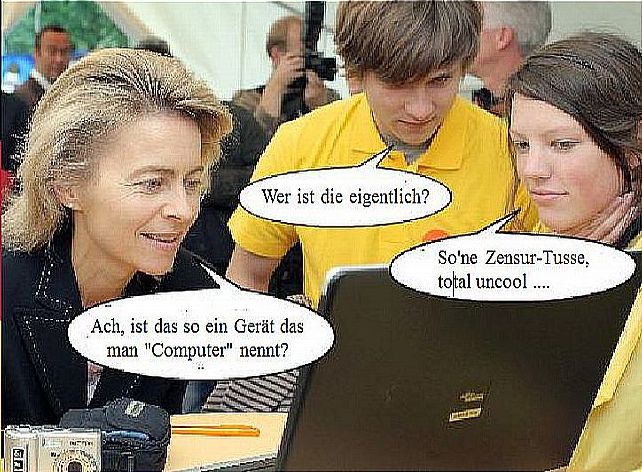
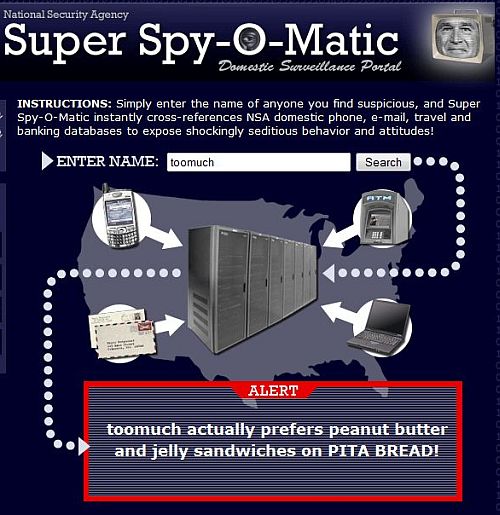
In Germany, Internet users and civil liberties groups are fighting proposed legislation mandating a national censorship system. The Bundestag votes today on a bill authorizing German police to establish and maintain a list of Web sites that Internet service providers would be required to block. In a petition against the bill, German civil liberties groups call it "untransparent and uncontrollable, since the 'block lists' cannot be inspected, nor are the criteria for putting a Web site on the list properly defined." These concerns aren't unfounded: Some German politicians have already suggested extending the block list to Islamist Web sites, video games and gambling Web sites, while book publishers have suggested it would also be nice to block file-sharing sites too .. if technical censorship systems are to be put in place, they must be sufficiently transparent and accountable so that they do not become opaque extensions of incumbent power -- or get hijacked by politically influential interest groups without the public knowing exactly what is going on .. "
[Zitat: WallStreetJournal]
Nichts von alledem (Transparenz, Verantwortlichkeit, Kriterien für eine Sperre) enthält das “Zugangserschwerungsgesetz” (ZugErschwG) - es ist ein Gesetz das ZENSUR ermöglichen soll. Nicht mehr, aber auch nicht weniger.