bookmark_borderErinnern! Alternativ wählen!


" .. Unmut muß sich auch in Wahl­er­geb­nis­sen niederschlagen!!

Der nun mitt­ler­wei­le hef­tig umstrit­te­ne Gesetz­ent­wurf ist nicht allein der Gesetz­ent­wurf von Ursu­la von der Ley­en, es ist der Gesetz­ent­wurf, der von einer schwarz-roten Bun­des­re­gie­rung beschlos­sen wur­de. Von rot und schwarz!

Wie dop­pel­zün­gig mal wie­der die SPD ist, zeigt sich dar­in, daß sie sich nun für eine öffent­li­che Anhö­rung im Unter­aus­schuss (27.5) aus­ge­spro­chen hat. Toll, toll – Jubel!!! Aber das ist die sel­be SPD, die noch vor weni­gen Tagen dem Gesetz­ent­wurf mal eben zuge­stimmt hat!

Poli­tik soll­te für uns und nicht gegen uns gemacht wer­den. Idea­ler­wei­se mit uns, und genau des­halb gehe ich zur Euro­pa­wahl und mach mein Kreuz sicher nicht bei den Wahl­ver­spre­chern (von CDU & SPD, auch nicht bei­den Hel­fers­hel­fern von FDP & Grünen) .. "


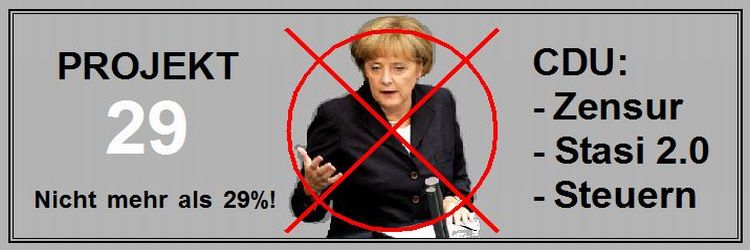
[Zitat/Bild "Stopp­schild"] | [Bild "Merkel"/Quelle]


"Pro­jekt >18" für die SPD
  "Pro­jekt >29" für die CDU 

bookmark_borderDie 13 Folter-Verantwortlichen
der Administration Bush

[Bear­bei­te­tes Zitat / Quel­le; sie­he hier­zu auch ]


The Tor­tu­re 13 exploi­ted the fede­ral bureau­cra­cy to estab­lish a tor­tu­re régime in two ways. First, they based the enhan­ced inter­ro­ga­ti­on tech­ni­ques on tech­ni­ques used in the U.S. military's Sur­vi­val, Eva­si­on, Resi­stance and Escape (SERE) pro­gram. The pro­gram -- which sub­jects vol­un­teers from the armed ser­vices to simu­la­ted hosti­le cap­tu­re situa­tions -- trains ser­vice­men and -women to with­stand coer­ci­on well enough to avo­id making fal­se con­fes­si­ons if cap­tu­red. Two reti­red SERE psy­cho­lo­gists con­trac­ted with the govern­ment to "rever­se-engi­neer" the­se tech­ni­ques to use in detai­nee inter­ro­ga­ti­ons. The Tor­tu­re 13 also abu­sed the legal review pro­cess in the Depart­ment of Justi­ce in order to pro­vi­de per­mis­si­on for tor­tu­re. The DOJ's Office of Legal Coun­sel (OLC) play­ed a cru­cial role. OLC pro­vi­des inter­pre­ta­ti­ons on how laws app­ly to the exe­cu­ti­ve branch. On issues whe­re the law is unclear, like natio­nal secu­ri­ty, OLC opi­ni­ons can set the boun­da­ry for "legal" acti­vi­ty for exe­cu­ti­ve branch employees. As Jack Golds­mith, OLC head from 2003 to 2004, explains it, "One con­se­quence of [OLC's] power to inter­pret the law is the power to bestow on govern­ment offi­ci­als what is effec­tively an advan­ce par­don for actions taken at the edges of vague cri­mi­nal sta­tu­tes." OLC has the power, Golds­mith con­ti­nues, to dis­pen­se "get-out-of-jail-free cards." The Tor­tu­re 13 exploi­ted this power by col­la­bo­ra­ting on a series of OLC opi­ni­ons that repea­ted­ly gave U.S. offi­ci­als such a "get-out-of-jail-free card" for tor­tu­ring. Bet­ween 911 and the end of 2002, the Tor­tu­re 13 deci­ded to tor­tu­re, then rever­se-engi­nee­red the tech­ni­ques, and then craf­ted the legal cover. Here's who they are and what they did:


 1.
Dick Che­ney, vice pre­si­dent (2001−2009)
 On the mor­ning of 911, .. Dick Che­ney (and) David Adding­ton, .. work­ed tog­e­ther to plot an expan­si­ve grab of exe­cu­ti­ve power that they clai­med was the cor­rect respon­se to the ter­ro­rist thre­at .. (they) also fought bureau­cra­ti­cal­ly to cons­truct this tor­tu­re pro­gram. Che­ney led the way by con­trol­ling who got access to Pre­si­dent Bush -- and making sure his own views pre­empt­ed others .. Most shockin­gly, Che­ney is repor­ted to have orde­red tor­tu­re hims­elf, even after inter­ro­ga­tors belie­ved detai­nees were coöpe­ra­ti­ve. Sin­ce the 2002 OLC memo known as "Bybee Two" that aut­ho­ri­zes tor­tu­re pre­mi­ses its aut­ho­rizati­on for tor­tu­re on the asser­ti­on that "the inter­ro­ga­ti­on team is cer­tain that" the detai­nee "has addi­tio­nal infor­ma­ti­on he refu­ses to divul­ge," Che­ney appears to have orde­red tor­tu­re that was ille­gal even under the spu­rious gui­de­lines of the memo.
   2.
David Adding­ton, coun­sel to the vice pre­si­dent (2001−2005), chief of staff to the vice pre­si­dent (2005−2009)
 David Adding­ton cham­pio­ned the fight to argue that the pre­si­dent -- in his role as com­man­der in chief -- could not be bound by any law, inclu­ding tho­se pro­hi­bi­ting tor­tu­re. .. In par­ti­cu­lar, he ran a "War Coun­cil" with Jim Hay­nes, John Yoo, John Riz­zo and Alber­to Gon­za­les .. which craf­ted and exe­cu­ted many of the legal approa­ches to the war on ter­ror tog­e­ther .. Adding­ton and Che­ney wiel­ded bureau­cra­tic car­rots and sticks -- nota­b­ly by giving .. pro­mo­ti­ons for lawy­ers who sup­port­ed the­se ille­gal poli­ci­es. When Jack Golds­mith with­drew a num­ber of OLC memos becau­se of the legal pro­blems in them, Adding­ton was the sole admi­ni­stra­ti­on lawy­er who defen­ded them. 
 3.
Alber­to Gon­za­les, White Hou­se coun­sel (2001−2005), and att­or­ney gene­ral (2005−2008)
 As White Hou­se coun­sel, Alber­to Gon­za­les was nomi­nal­ly in char­ge of repre­sen­ting the president's views on legal issues, inclu­ding natio­nal secu­ri­ty issues. In that role, Gon­za­les wro­te and review­ed a num­ber of the legal opi­ni­ons that attempt­ed to immu­ni­ze tor­tu­re .. in a Jan. 25, 2002, opi­ni­on .. Gon­za­les paved the way for exemp­ting al-Qai­da detai­nees from the Gen­e­va Con­ven­ti­ons. His memo clai­med the "new kind of war" repre­sen­ted by the war against al-Qai­da "ren­ders obso­le­te Geneva's strict limi­ta­ti­ons on que­stio­ning of ene­my prisoners."
   4.
James Mit­chell, con­sul­tant
  .. James Mit­chell, a reti­red mili­ta­ry psy­cho­lo­gist, had been a lea­ding expert in the military's SERE pro­gram. In Decem­ber 2001, with his part­ner, Bruce Jes­sen, Mit­chell rever­se-engi­nee­red SERE tech­ni­ques to be used to inter­ro­ga­te detai­nees. Then, in the spring of 2002, befo­re OLC gave offi­ci­al legal appr­oval to tor­tu­re, Mit­chell over­saw Abu Zubaydah's inter­ro­ga­ti­on. An FBI agent on the sce­ne descri­bes Mit­chell over­see­ing the use of "bor­der­line tor­tu­re." .. Under Mitchell's gui­dance, inter­ro­ga­tors used the water­board with "far grea­ter fre­quen­cy than initi­al­ly indi­ca­ted" -- a total of 183 times in a month for Kha­lid Sheikh Moham­med and 83 times in a month for Abu Zubaydah.
   5.
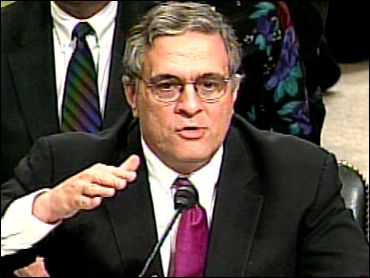
Geor­ge Tenet, direc­tor of Cen­tral Intel­li­gence (1997−2004)
  .. Published reports say Tenet appro­ved every detail of the inter­ro­ga­ti­on plans: "Any chan­ge in the plan -- even if an extra day of a cer­tain tre­at­ment was added -- was signed off on by the Direc­tor." .. After appr­oval of the harsh tech­ni­ques, CIA head­quar­ters orde­red Abu Zubay­dah to be water­board­ed even though onsite inter­ro­ga­tors belie­ved Zubay­dah was "com­pli­ant." .. this addi­tio­nal use of the water­board was cle­ar­ly ille­gal accor­ding to the memo.
   6.
Con­do­leez­za Rice, natio­nal secu­ri­ty advi­sor (2001−2005), secre­ta­ry of sta­te (2005−2008)
  .. Rice coör­di­na­ted much of the administration's inter­nal deba­te over inter­ro­ga­ti­on poli­ci­es. She appro­ved (she now says she "con­vey­ed the aut­ho­rizati­on") for the first known offi­ci­al­ly sanc­tion­ed use of tor­tu­re .. The appr­oval from the OLC was given oral­ly in late July and in writ­ten form on Aug. 1, 2002. Rice's appr­oval or "convey[ance] of aut­ho­rizati­on" led direct­ly to the inten­si­fi­ed torture ..
   7.
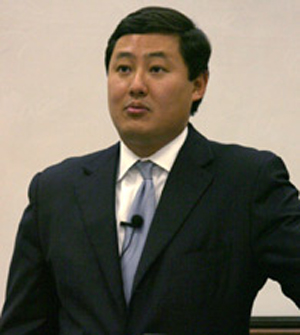
John Yoo, depu­ty assi­stant att­or­ney gene­ral, OLC / Office of Legal Coun­sel (2001−2003)
 As depu­ty assi­stant att­or­ney gene­ral of OLC focu­sing on natio­nal secu­ri­ty for the first year and a half after 911, Yoo draf­ted many of the memos that would estab­lish the tor­tu­re régime, start­ing with the opi­ni­on clai­ming vir­tual­ly unli­mi­t­ed power for the pre­si­dent in times of war. In the ear­ly months of 2002, he .. (draf­ted) two key memos aut­ho­ri­zing torture:
- Bybee One (pro­vi­ding legal cover for tor­tu­re) and 
- Bybee Two (describ­ing the tech­ni­ques that could be used), both dated Aug. 1, 2002.
- The .. memos argue that "neces­si­ty" or "self-defen­se" might be used as defen­ses against pro­se­cu­ti­on, even though the United Nati­ons Con­ven­ti­on Against Tor­tu­re expli­ci­t­ly sta­tes that "no excep­tio­nal cir­cum­stances whatsoe­ver, whe­ther a sta­te of war or a thre­at or war ... may be invo­ked as a justi­fi­ca­ti­on of tor­tu­re." .. the tech­ni­ques the CIA could use in inter­ro­ga­ti­on, was pre­mi­sed on hot­ly deba­ted assump­ti­ons. For exam­p­le, the .. memo clai­med Zubay­dah was men­tal­ly and phy­si­cal­ly fit to be water­board­ed, even though Zubay­dah had had head and recent gunshot inju­ries. .. In all of his tor­tu­re memos, Yoo igno­red key pre­ce­dents rela­ting .. to sepa­ra­ti­on of powers. . 
 8.
Jay Bybee, assi­stant att­or­ney gene­ral, Office of Legal Coun­sel (2001−2003)
 As head of the OLC when the first tor­tu­re memos were appro­ved, Bybee signed the memos named after him that John Yoo draf­ted. At the time, the White Hou­se knew that Bybee wan­ted an appoint­ment as a Cir­cuit Court judge; after sig­ning his name to memos sup­port­ing tor­tu­re, he recei­ved such an appoint­ment. Of par­ti­cu­lar con­cern is the timing of Bybee's appr­oval of the tor­tu­re tech­ni­ques. He first appro­ved some tech­ni­ques on July 24, 2002. The next day, Jim Hay­nes, the Defen­se Department's gene­ral coun­sel, orde­red the SERE unit of DOD to coll­ect infor­ma­ti­on inclu­ding details on water­boar­ding. While the record is con­tra­dic­to­ry on whe­ther Hay­nes or CIA Gene­ral Coun­sel John Riz­zo gave that infor­ma­ti­on to OLC, on the day they did so, OLC appro­ved water­boar­ding. One of the docu­ments in that packet iden­ti­fi­ed the­se actions as tor­tu­re, and sta­ted that tor­tu­re often pro­du­ced unre­lia­ble results
  9.
Wil­liam "Jim" Hay­nes, Defen­se Depart­ment gene­ral coun­sel (2001−2008)
 As gene­ral coun­sel of the Defen­se Depart­ment, Jim Hay­nes over­saw the legal ana­ly­sis of inter­ro­ga­ti­on tech­ni­ques to be used with mili­ta­ry detai­nees .. Hay­nes play­ed a key role in making sure some of the tech­ni­ques were adopted, with litt­le review, by the mili­ta­ry. He was thus cru­cial to the migra­ti­on of tor­tu­re to Guan­tá­na­mo and then Iraq. In Sep­tem­ber 2002, Hay­nes par­ti­ci­pa­ted in a key visit to Guan­tá­na­mo .. Hay­nes igno­red repea­ted war­nings from within the armed ser­vices about the tech­ni­ques, inclu­ding state­ments that the tech­ni­ques "may vio­la­te tor­tu­re sta­tu­te" and "cross the line of 'huma­ne' tre­at­ment." In Octo­ber 2002, when the legal coun­sel for the military's Joint Chiefs of Staff attempt­ed to con­duct a tho­rough legal review of the tech­ni­ques, Hay­nes orde­red her to stop, becau­se "peo­p­le were going to see" the objec­tions that some in the mili­ta­ry had rai­sed. On Nov. 27, 2002, Hay­nes recom­men­ded that Secre­ta­ry of Defen­se Donald Rums­feld aut­ho­ri­ze many of the reque­sted tech­ni­ques, inclu­ding stress posi­ti­ons, hoo­ding, the rem­oval of clot­hing, and the use of dogs -- the same tech­ni­ques that show­ed up later in the abu­se at Abu Ghraib.
 10.
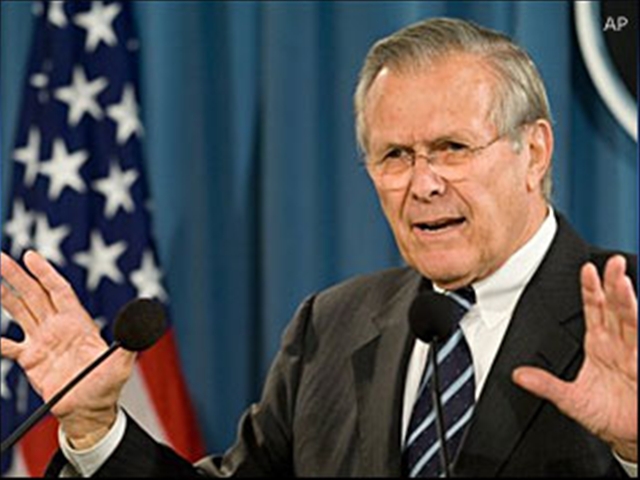
Donald Rums­feld, secre­ta­ry of defen­se (2001−2006)
 As secre­ta­ry of defen­se, Rums­feld signed off on inter­ro­ga­ti­on methods used in the mili­ta­ry, nota­b­ly for Abu Ghraib, Bagram Air Force Base and Guan­tá­na­mo Bay. With this appr­oval, the use of tor­tu­re would move from the CIA to the mili­ta­ry. A recent bipar­ti­san Sena­te report con­clu­ded that "Secre­ta­ry of Defen­se Donald Rumsfeld's aut­ho­rizati­on of inter­ro­ga­ti­on tech­ni­ques at Guan­tá­na­mo Bay was a direct cau­se of detai­nee abu­se the­re." Rums­feld per­so­nal­ly appro­ved tech­ni­ques inclu­ding the use of pho­bi­as (dogs), forced nudi­ty and stress posi­ti­ons on Dec. 2, 2002, sig­ning a one-page memo pre­pared for him by Hay­nes. The­se tech­ni­ques were among tho­se dee­med tor­tu­re in the Charles Gra­ner case and .. the plan used many of the same tech­ni­ques .. inclu­ding sen­so­ry depri­va­ti­on and "sleep adjust­ment." And through it all, Rums­feld main­tai­ned a dis­da­in­ful view on the­se tech­ni­ques, at one point quip­ping on a memo appro­ving harsh tech­ni­ques, "I stand for eight to 10 hours a day. Why is stan­ding limi­t­ed to four hours?"
 11.
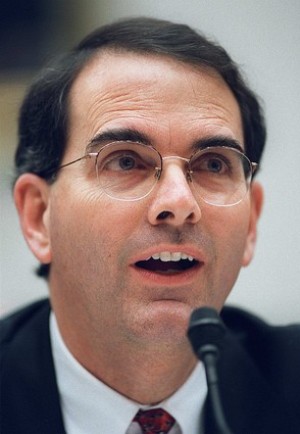
John Riz­zo, CIA depu­ty gene­ral coun­sel (2002−2004), acting gene­ral coun­sel of the Cen­tral Intel­li­gence Agen­cy (2001−2002, 2004-present)
 As depu­ty gene­ral coun­sel and then acting gene­ral coun­sel for the CIA, John Rizzo's name appears on all of the known OLC opi­ni­ons on tor­tu­re for the CIA .. Riz­zo pro­vi­ded a descrip­ti­on of water­boar­ding using one stan­dard, while the OLC opi­ni­on descri­bed a more mode­ra­te stan­dard. Signi­fi­cant­ly, the descrip­ti­on of water­boar­ding sub­mit­ted to OLC came from the Defen­se Depart­ment .. Riz­zo also pro­vi­ded a docu­ment that cal­led enhan­ced methods "tor­tu­re" and dee­med them unre­lia­ble -- yet even with this war­ning, Riz­zo still advo­ca­ted for the CIA to get per­mis­si­on to use tho­se techniques. 
 12.
Ste­ven Brad­bu­ry, prin­ci­pal depu­ty assi­stant att­or­ney gene­ral, OLC (2004), acting assi­stant att­or­ney gene­ral, OLC (2005−2009)
 In 2004, the CIA's inspec­tor gene­ral wro­te a report con­clu­ding that the CIA's inter­ro­ga­ti­on pro­gram might vio­la­te the Con­ven­ti­on Against Tor­tu­re. It fell to Acting Assi­stant Att­or­ney Gene­ral Ste­ven Brad­bu­ry to wri­te three memos in May 2005 that would dis­miss the con­cerns the IG Report rai­sed -- in effect, to affirm the OLC's 2002 memos legi­ti­mi­zing tor­tu­re. Bradbury's memos noted the ways in which pri­or tor­tu­re had exce­e­ded the Bybee Two memo: the 183 uses of the water­board for Kha­lid Sheikh Moham­med in one month, the gal­lon and a half used in water­boar­ding, the 20 to 30 times a detai­nee is thrown agains the wall, the 11 days a detai­nee had been made to stay awa­ke, the extra ses­si­ons of water­boar­ding orde­red from CIA head­quar­ters even after local inter­ro­ga­tors dee­med Abu Zubay­dah to be ful­ly com­pli­ant. Yet Brad­bu­ry does not con­sider it tor­tu­re. He notes the CIA's doc­tors' cau­ti­ons about the com­bi­na­ti­on of using the water­board with a phy­si­cal­ly fatigued detai­nee, yet in a sepa­ra­te memo appro­ves the use of sleep depri­va­ti­on and water­boa­ding in tan­dem. He repea­ted­ly con­ce­des that the CIA's inter­ro­ga­ti­on tech­ni­ques as actual­ly imple­men­ted exce­e­ded the SERE tech­ni­ques, yet repea­ted­ly points to the con­nec­tion to SERE to argue the methods must be legal. 
 13.
Geor­ge W. Bush, pre­si­dent (2001−2009)
 While Pre­si­dent Bush main­tai­ned some distance from the tor­tu­re for years -- Che­ney descri­bes him "basi­cal­ly" aut­ho­ri­zing it -- he ser­ved as the chief pro­pa­gan­dist about its effi­ca­cy and neces­si­ty. Most nota­b­ly, on Sept. 6, 2006, when Bush first con­fes­sed to the pro­gram, Bush repea­ted the claims made to sup­port the Bybee Two memo: that Abu Zubay­dah wouldn't talk except by using tor­tu­re. And in 2006, after the CIA's own inspec­tor gene­ral had rai­sed pro­blems with the pro­gram, after Ste­ven Brad­bu­ry had admit­ted all the ways that the tor­tu­re pro­gram exce­e­ded gui­de­lines, Bush still clai­med it was legal. "[They] were desi­gned to be safe, to com­ply with our laws, our Con­sti­tu­ti­on and our trea­ty obli­ga­ti­ons. The Depart­ment of Justi­ce review­ed the aut­ho­ri­zed methods exten­si­ve­ly, and deter­mi­ned them to be lawful." With this state­ment, the decep­ti­ons and bureau­cra­tic games all came full cir­cle. After all, it was Bush who, on Feb. 7, 2002, had declared the Gen­e­va Con­ven­ti­ons wouldn't app­ly (a view the Supre­me Court ulti­m­ate­ly rejec­ted). Bush's inac­tion in tor­tu­re is as important as his actions .. (he) fai­led to ful­fill legal obli­ga­ti­ons to noti­fy Con­gress of the tor­tu­re pro­gram. A Sena­te Intel­li­gence time­line on the tor­tu­re pro­gram makes clear that Con­gress was not briefed on the tech­ni­ques used in the tor­tu­re pro­gram .. then Hou­se Intel­li­gence ran­king mem­ber Jane Har­man shows that she had not yet seen evi­dence that Bush had signed off on this poli­cy. This sug­gests Pre­si­dent Bush did not pro­vi­de the legal­ly requi­red noti­ce to Con­gress, vio­la­ting Natio­nal Secu­ri­ty Decis­i­ons Direc­ti­ve-286. What Bush did not say is as legal­ly important as what he did say.

 
Yet, ulti­m­ate­ly, Bush and wha­te­ver appr­oval he gave the pro­gram is at the cen­ter of the administration's embrace of tor­tu­re. Con­do­leez­za Rice recent­ly said, "By defi­ni­ti­on, if it was aut­ho­ri­zed by the pre­si­dent, it did not vio­la­te our obli­ga­ti­ons in the Con­ven­ti­on Against Tor­tu­re." While Rice has tried to reframe her state­ment, it uses the same logic used by John Yoo and David Adding­ton to justi­fy the pro­gram, the shocking cla­im that inter­na­tio­nal and dome­stic laws can­not bind the pre­si­dent in times of war.

 
Bush's clo­se allies still insist if he aut­ho­ri­zed it, it couldn't be torture. 


bookmark_borderIn Luft aufgelöst!

Die­se Schlag­zei­len, die­ses Trara ....
die bit­ter­bö­sen Staats­fein­de aus dem Sauerland:
Auf­ge­bauscht und kon­stru­iert, so scheint es mittlerweile.

"Terror(ists) you can rely on!"

Ja, aber nur wenn man - auf dem Weg in den Über­wa­chungs- und Zen­sur­staat - dem 'gemei­nen Volk' Sand in die Augen streu­en möch­te .... ein wei­te­res Bei­spiel, war­um den In-die-Welt-Set­zern sol­cher 'Enten' dar­an gele­gen ist die Infor­ma­ti­ons­frei­heit einzuschränken ....

PS
Immer dar­an den­ken - und bei der Euro­pa­wahl nur sol­che Par­tei­en wäh­len, die sich klar gegen Zen­sur und Inter­net­sper­ren aus­spre­chen - jede Stim­me zählt!

*edit*
(19.05.2009)

[Du bist Ter­ro­rist from lexela on Vimeo
via Mocking­bird]


bookmark_borderZwiespalt

Ich bin näch­stens zu einer Fei­er ein­ge­la­den. Erfreu­lich ist dar­an, daß da vie­le Men­schen zusam­men­kom­men die ich schät­ze und mit denen ich gern zusam­men bin. Uner­freu­lich ist, daß die Fei­er mit (min­de­stens) einem Kirch­gang ver­bun­den ist. 

Ich ste­he in dem Zwie­spalt mich durch den 'Got­tes­dienst' in eine Situa­ti­on zu bege­ben in der ich den Schein wah­ren muß obwohl ich lie­ber die Wahr­heit leben wür­de, also nicht teil­zu­neh­men, dem fernzubleiben. 

Kir­che - und die dazu­ge­hö­ri­ge 'Ideo­lo­gie' - ist ein Ver­spre­chen an Men­schen das nicht gehal­ten wer­den kann. Min­de­stens bin ich davon über­zeugt. Was Kir­che ver­spricht ist ein Leben nach dem Tode - für das es aus mei­ner Über­zeu­gung kei­ne Bewei­se gibt und das ich daher für eine gigan­ti­sche Irre­füh­rung halte. 

Nun ist die Fra­ge die ich mir stel­le etwa so:
Soll ich der Tra­di­ti­on fol­gen und der Dis­kus­si­on um mei­ne Ein­stel­lung ausweichen?
Oder soll ich mich so ver­hal­ten wie es mei­ner Über­zeu­gung ent­spricht und mich von der - sinn­lo­sen - Zere­mo­nie fernhalten?

Noch habe ich ja etwas Zeit.
Das ist gut so.
Ändert aber nichts dar­an, daß es irgend­wann ent­schie­den wer­den muß.

bookmark_borderRolle rückwärts ....

Mit bit­te­rer Ent­täu­schung habe ich gele­sen, daß Prä­si­dent Oba­ma die Son­der­ge­rich­te nun doch bestehen las­sen will - und das nur weni­ge Tage nach sei­nem Rück­zie­her hin­sicht­lich der umstrit­te­nen Fol­ter-Pho­tos .... ich hat­te wirk­lich geglaubt, er sei 'anders' als vie­le sei­ner Vor­gän­ger, ins­be­son­de­re der letzte ....

[Zitat aus der Netzzeitung]

" .. Nach Ansicht des Vor­sit­zen­den der .. ACLU, Antho­ny Rome­ro, beru­hen die Tri­bu­na­le auf ver­fas­sungs­wid­ri­gen Grund­la­gen und zie­len dar­auf ab, «Schuld­sprü­che sicher­zu­stel­len, kei­ne fai­ren Pro­zes­se». Rome­ro kün­dig­te mas­si­ven Wider­stand an. Es hand­le sich um eine «alar­mie­ren­de Ent­wick­lung», erklär­te auch das Zen­trum für Ver­fas­sungs­rech­te in Washing­ton, das sich seit Jah­ren um eine bes­se­re Rechts­stel­lung der Gefan­ge­nen im US-Lager Guan­ta­na­mo auf Kuba bemüht. Oba­ma habe vor sei­ner Wahl die Hoff­nung geweckt, mit den «gefähr­li­chen Expe­ri­men­ten» sei­nes Amts­vor­gän­gers Geor­ge W. Bush zu brechen .. "

*edit*
Sie­he dazu auch:

  1. Litt­le Known Mili­ta­ry Thug Squad Still Bru­ta­li­zing Pri­soners at Git­mo Under Obama 
  2. und

  3. "Cen­ter for Con­sti­tu­tio­nal Rights [CCR] Urges Oba­ma Admi­ni­stra­ti­on to Aban­don Fai­led Guan­ta­na­mo Mili­ta­ry Commissions"

Dabei hat er so viel­ver­spre­chend angefangen ....

bookmark_border"Koalition der Willigen"

So ein­fach ist das in der Poli­tik, sogar der sicher nicht mit über­ra­gen­der Intel­li­genz aus­ge­stat­te­te Geor­ge W. Bush hat es verstanden:


"Wer nicht für uns ist ist gegen uns!"


Gegen die online Peti­ti­on - Stand 15.05.2009/01:00h = 80832 Mit­zeich­ner - for­miert sich eine 'unhei­li­ge' Alli­anz von Betrü­gern, Inter­es­sen­ver­tre­tern und pla­ka­tiv-sozi­al Ange­hauch­ten .... da muß wohl eini­ge Unru­he in Ber­lin ent­stan­den sein wenn man sich auf die­ses Glatt­eis begibt ....


*[Zitat]
Fil­ter-Exper­te: "IP-Sper­run­gen sind Aktio­nis­mus". Den tech­ni­schen Hin­ter­grund erklärt der Infor­ma­ti­ker Ste­fan Köp­sell, .. JAP:
"Es ist eigent­lich die Regel, dass bei Hosting-Pro­vi­dern auf einem Ser­ver ganz unter­schied­li­che Sei­ten mit eige­nen URLs liegen."
Die Fol­ge: Alle haben die­sel­be IP-Adres­se, aber meist ganz unter­schied­li­che Inhal­te und Anbieter.

Die Fol­ge laut Köp­sell: "Des­halb sperrt jeder Pro­vi­der, der anhand von IP-Adres­sen fil­tert, auch poten­ti­ell harm­lo­se Ange­bo­te mit." Exper­te Köp­sell beur­teilt die Metho­de kri­tisch: "Ich hal­te IP-Sper­run­gen für Aktio­nis­mus. Man tut etwas, um etwas zu tun, nicht weil es wirk­sam ist."

Dage­gen spricht zum einen, dass auch harm­lo­se Sei­ten betrof­fen sind. Zum ande­ren blockie­ren IP-Fil­ter über­haupt nicht zuver­läs­sig, was sie sper­ren soll­ten. Köp­sell: "Wer eine Sei­te errei­chen will, schafft das über Anony­mi­sie­rungs­dien­ste wie JAP pro­blem­los." Außer­dem kämp­fen ins­be­son­de­re Anbie­ter von Por­no­sei­ten stän­dig gegen Fil­ter­ver­su­che. Köp­sell: "Natür­lich ändern Anbie­ter die IP-Adres­sen ihrer Ange­bo­te, wenn ihnen eine Sper­rung weh tut. Sol­che Fil­ter­ver­su­che wer­den schnell zum Katz-und-Maus-Spiel zwi­schen Pro­vi­dern und Anbie­tern."
 

bookmark_borderWachstum

[Das The­ma schien mir bedeut­sam, weil bei Frau la-mam­ma eine Fra­ge zu (Wirt­schafts-) Zyklen - samt Ant­wort - dis­ku­tiert wur­de].  

 
Was im all­ge­mei­nen als "Wachs­tum" bezeich­net wird ist in den (wesent­li­chen) Indu­strie­län­dern in Wirk­lich­keit ein "Null­sum­men­spiel", denn tat­säch­li­ches Wachs­tum fin­det nicht statt ....


Der Begriff "Wachs­tum" sug­ge­riert einen Zuwachs wo kein Zuwachs zu ver­zeich­nen ist. Dies als zutref­fend anzu­se­hen fällt dem auf­merk­sa­men Beob­ach­ter nicht schwer:
Geht man offe­nen Auges durch eine grö­ße­re Stadt, so wird man Neu­auf­bau erken­nen der an Stel­len statt­fin­det wo zuvor bereits Gebäu­de mit flo­rie­ren­den Unter­neh­men zu fin­den waren. Sieht man noch genau­er hin und erin­nert sich, so wer­den zykli­sche Struk­tu­ren erkenn­bar.


Zunächst wird eine Pla­nung durch­ge­führt - auf deren abso­lu­te Not­wen­dig­keit wird von Sei­ten der Pla­nen­den stets ener­gisch hin­ge­wie­sen - die oft mit Unter­stüt­zung der Städ­te & deren Bau­be­hör­den abläuft. Da fin­det man bereits den ersten Grund für Skep­sis, denn die Städ­te haben 1. ein Inter­es­se ihre Behör­den 'aus­zu­la­sten' - das bedeu­tet ja Ein­nah­men - und 2. lang­fri­stig Steu­er­ein­nah­men zu sichern und aus­zu­wei­ten - das wird durch Erwei­te­rung der Zahl von vor­han­de­nen Betrie­ben erreicht:
Mehr Betrie­be = mehr Einnahmen ....

Bei sol­chen Vor­ha­ben müs­sen natür­lich bestehen­de Gebäu­de abge­ris­sen wer­den, die vor­han­de­nen Betrie­be wer­den (oft nur teil­wei­se) 'aus­ge­sie­delt' und im neu­en Pro­jekt - sofern sie dann dort die erheb­lich teu­re­re Mie­te noch zu zah­len in der Lage sind! - wie­der 'ange­sie­delt' .... Eine blo­ße "Erwei­te­rung", Sanie­rung oder ein Umbau wer­den des­we­gen nicht in Betracht gezo­gen, weil der 'pro­fit' bei Neu­pla­nung, Abriß und Neu­bau natür­lich viel höher ist als mit Maß­nah­men, bei denen ein Teil der "Alt­sub­stanz" erhal­ten wird ....

Am Neu­bau ver­die­nen die Betei­lig­ten alle­samt ein Mehr­fa­ches des­sen, was ein blo­ßer Umbau in ihre Kas­sen spü­len könn­te .... kein Wun­der also, wenn Neu­bau das bevor­zug­te Vor­ge­hen ist. Dabei ist es - so son­der­bar das klin­gen mag - völ­lig unwich­tig, ob es sich um Ersatz an glei­cher Stel­le oder an ande­rem Orte han­delt. In der Sum­me wer­den bestimm­te Berei­che 'ent­sie­delt' und neue Berei­che 'besie­delt' und davon pro­fi­tie­ren Abbruch­un­ter­neh­men, Archi­tek­ten, Bau­ge­sell­schaf­ten und städ­ti­sche Behör­den die an Pla­nung, Bau­ord­nung betei­ligt sind und mög­li­cher­wei­se ver­dient eine Stadt auch direkt, wenn sie Grund­stücke ver­äu­ßern kann.

Schaut man genau hin, dann wird deutlich:

Die ent­ste­hen­den Ein­künf­te wer­den nir­gend­wo zu den zusätz­lich geschaf­fe­nen Flä­chen ins Ver­hält­nis gesetzt, den Bür­gern wer­den ledig­lich die Vor­zü­ge sol­cher Vor­ha­ben dar­ge­stellt. Und eine Dis­kus­si­on fin­det meist auch erst dann statt, wenn sol­che Pro­jek­te sich schon in einem nahe­zu unum­kehr­ba­ren Sta­di­um befinden .... 


"Und ist's nicht Absicht, so hat es doch Methode!"
möch­te man da anfügen ....


Wie oben bereits ange­deu­tet ent­steht also kein wenig ver­nach­läs­sig­bar gerin­ges Wachs­tum (im Sin­ne von "abso­lu­tem Zuwachs"), denn es wer­den ande­rer­seits noch bestehen­de "Wer­te" abge­ris­sen und ver­nich­tet. Ver­dient wird aber trotz­dem, und zwar nicht schlecht:

Ban­ken verdienen,
(Bau-) Gesell­schaf­ten verdienen,
Städ­te verdienen,
eini­ge weni­ge Privilegierte/Ausführende "die Jeman­den ken­nen der wen kennt" ....

Ein "Null­sum­men­spiel" schrieb ich wei­ter oben. Dabei blei­be ich. Aller­dings - wie zu sehen ist - nur für die Bür­ger. Sie zah­len höhe­re Prei­se in den neu­en Geschäf­ten - weil die ja auch höhe­re Mie­ten zah­len müs­sen, sie zah­len für neue Infra­struk­tur­maß­nah­men durch erhöh­te Gebüh­ren der Städ­te, sie zah­len in Form von Ver­lust an Iden­ti­tät, denn die neu­en Gebäu­de sind oft nur "zweck­mä­ßig" aber nicht beson­ders ansehn­lich ...! Ganz neben­bei wer­den an sich noch nutz­ba­re Wer­te zer­stört, eine Tat­sa­che, die wahr­schein­lich irgend­wann dadurch zum Erlie­gen kommt, daß die Roh­stof­fe ausgehen.

Das Wachs­tum, was kei­nes ist, ähnelt "Des Kai­sers neu­en Klei­dern" - nur ver­ste­hen das immer weni­ger Men­schen, weil 'Poke­mon' und 'spon­geB­ob' und ande­re dümm­li­che Seri­en die Mär­chen abge­löst haben, die wenig­stens noch für Lern­schrit­te bei den Klei­nen sorg­ten. Kon­su­mie­ren statt Hin­ter­fra­gen wird ein­stu­diert. Damit gewin­nen Jene, die bei der Durch­set­zung ihres 'pro­fits' kei­ne lästi­gen Bür­ger­ein­wän­de gebrau­chen können ....

Über­le­gen sie doch' mal, lie­be Leser, ob es denn wirk­lich nötig und/oder über­le­bens­not­wen­dig ist ein bestän­di­ges "Wachs­tum" zu haben. Der "Club of Rome" hat schon in den Sieb­zi­gern auf die "Gren­zen des Wachs­tums" hingewiesen.
Umsonst, wie mir scheint.

'busi­ness as usu­al' - solan­ge bis die Res­sour­cen erschöpft sind ....
Wahr­schein­lich haben wir uns dann die Fol­gen 'ver­dient' ....

bookmark_borderEin Gedankenspiel ....

Wenn ein Mann - sagen wir 'mal 69 Jah­re alt ist - und eine Freun­din hat die - sagen wir 'mal 29 Jah­re alt ist - fin­det das kaum jemand ver­werf­lich .... man zer­reißt sich das Maul, ja, die Pres­se bringt einen Vier­zei­ler, aber dann geht man zur Tages­ord­nung über ....

Vor 15 Jah­ren aller­dings - er war da 54 Jah­re alt, sie war 14 Jah­re alt - wäre das "Unzucht mit Min­der­jäh­ri­gen" * gewesen ....

Und sol­che Män­ner sind in unse­rem Par­la­ment in her­vor­ge­ho­be­ner Funk­ti­on tätig. Kein Wun­der also, wenn sie kein Inter­es­se haben Pädo­phi­lie an der Wur­zel auszurotten.

Sie sind ja selbst pädophil.


* Im §§ 176 heißt das heu­te: „Sexu­el­ler Miss­brauch von Kindern“
[Sie­he dazu auch "Jung­brun­nen"]
 

bookmark_border"Qualitäts-Journalismus" - versagt ...!

Da lese ich mit Freu­de fol­gen­des [Zitat]:

.. Die eta­blier­te Pres­se, die sich so ger­ne, in durch­aus selbst­ge­rech­tem Ton, als “vier­te Macht im Staat” und als ein­zi­ge Quel­le objek­ti­ver Nach­rich­ten­ver­mitt­lung und Welt­in­ter­pre­ta­ti­on geriert, hat ange­sichts der bei­spiel­lo­sen Demon­ta­ge von Grund­rech­ten lei­der kom­plett versagt.

Das Recht auf Infor­ma­ti­ons- und Mei­nungs­frei­heit wird wesent­lich ein­ge­schränkt, aus Grün­den, die ent­we­der schlicht­weg erfun­den oder mani­pu­liert sind, mit Mit­teln, die weder trans­pa­rent noch demo­kra­tisch kon­trol­lier­bar oder legi­ti­mier­bar sind, unter unsach­li­cher und geschmack­lo­ser Dif­fa­mie­rung jeg­li­cher Kri­ti­ker - Na und?
Kein Anlaß, in den Redak­ti­ons­bü­ros unse­rer sog. “Qua­li­täts­pres­se” kri­ti­sche Wor­te zu finden! .. " 

Die Erklä­rung ist einfach:
Nach­dem man Anfang des Jah­res die Archi­ve der Rund­funk­an­stal­ten bekämpft - und mit Hil­fe der Poli­tik als 'Kon­kur­ren­ten' aus­ge­schal­tet hat - schaut nun die ver­sam­mel­te Print-Medi­en-Welt mit klamm­heim­li­cher Freu­de zu wie das Inter­net als Kon­kur­renz auch noch aus­ge­schal­tet wird ....


Machen wir uns doch nichts vor:
Nach­rich­ten aus den 'news-tickern' von heu­te ste­hen frü­he­stens mor­gen in den Zei­tun­gen. Weil das immer mehr Zei­tungs­le­ser erken­nen bestel­len sie die Blät­ter ab - es ist die Angst der Eta­blier­ten ihre Pfrün­de zu ver­lie­ren die sie dazu bringt sich wie die 'Drei Affen' zu verhalten ....

Was 'die Eta­blier­ten' nicht beden­ken ist das bekann­te Niem­öl­ler-Zitat. Wenn sie dann zen­siert wer­den ist nie­mand mehr da sie zu verteidigen ....


bookmark_borderPetition ....

Beeindruckende(-re) Zah­len kann man der­zeit auf "twit­ter" sehen:
Dort wer­den die Unter­schrif­ten zur Peti­ti­on “Inter­net - Kei­ne Indi­zie­rung und Sper­rung von Inter­net­sei­ten” ange­zeigt .... hin­ge­hen und selbst unter­schrei­ben - wenn es auch dubio­se Rand­er­schei­nun­gen gibt ....